Program
Learning at Pastel begins with curiosity, play, and love.
To keep children’s natural desire to learn alive, we invite them to explore freely—not just in the classroom, but in the heart of nature.
With small class sizes, we create opportunities to focus on each child individually and tailor their programs to their needs. We keep parents informed with regular reports.

A Natural Approach to English
At Pastel, children learn the language not by memorization, but by experiencing it firsthand. Through daily routines, games, songs, and stories, they are naturally exposed to English. This approach helps them embrace the language as a means of communication.
We implement the Cambridge program—one of the world’s leading educational systems—in our curriculum, including all materials and the online platform.
Personal Development and Social Skills
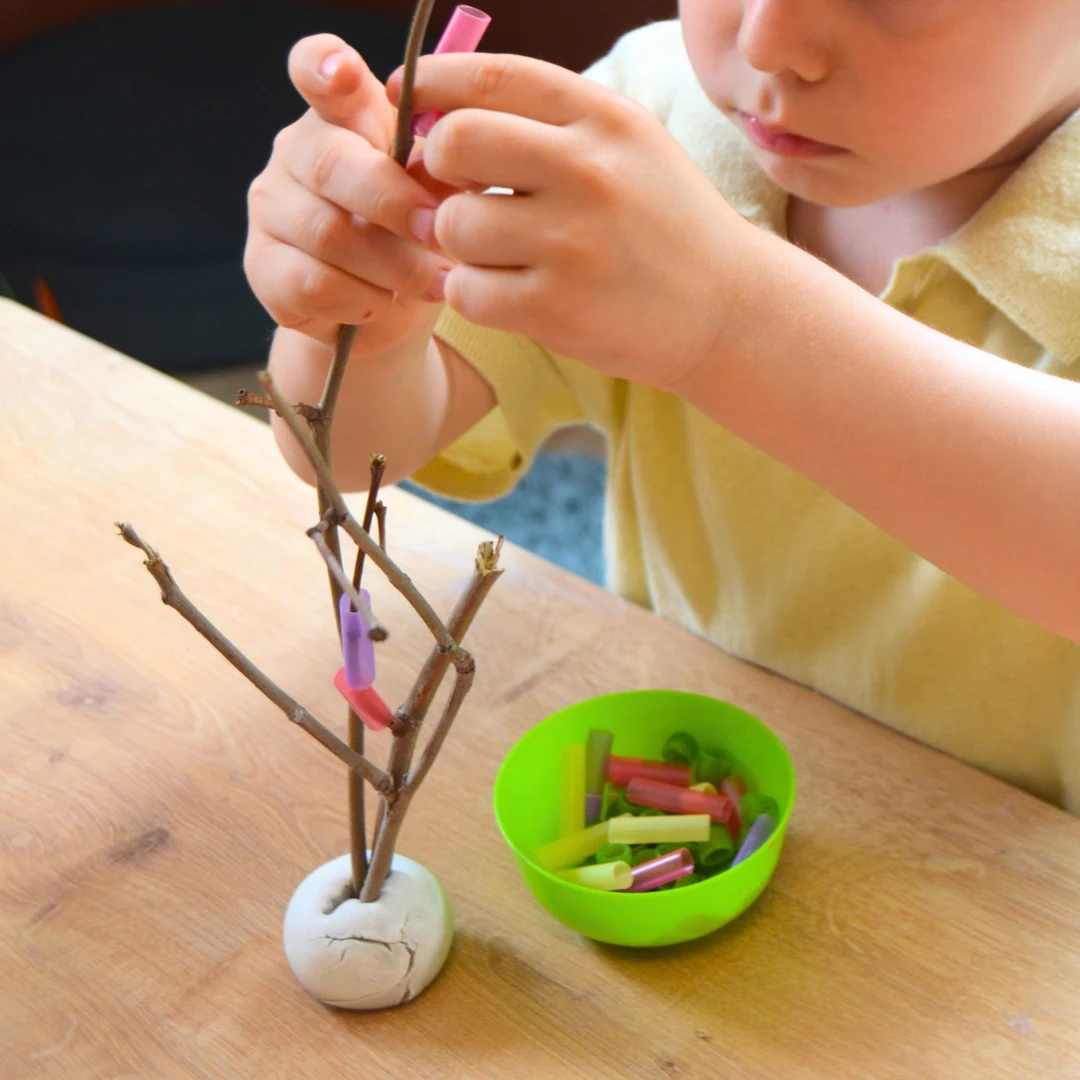
We know that every child is unique. Through play, we teach them to share, collaborate, take responsibility, and express their feelings. In this way, children learn to have confidence in themselves, listen to others, share, show empathy, and understand that people in our community have different abilities.
Creativity and Discovery
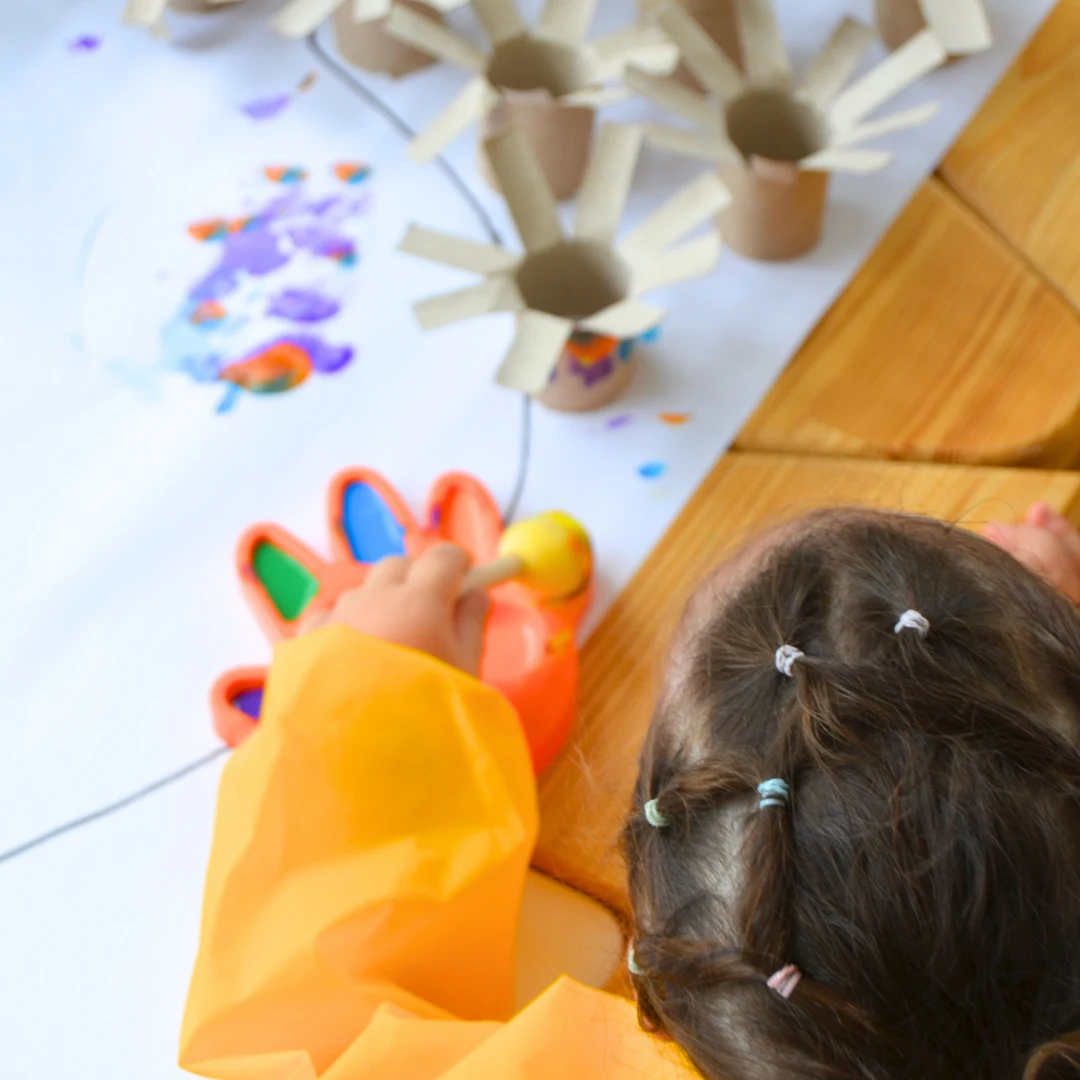
We value creativity not only in art but also in thinking. Children discover new paths through paints, stories, natural materials, or by exploring a question. At Pastel, every idea is valuable; because creativity begins with the courage to express oneself freely.
Learning in Nature
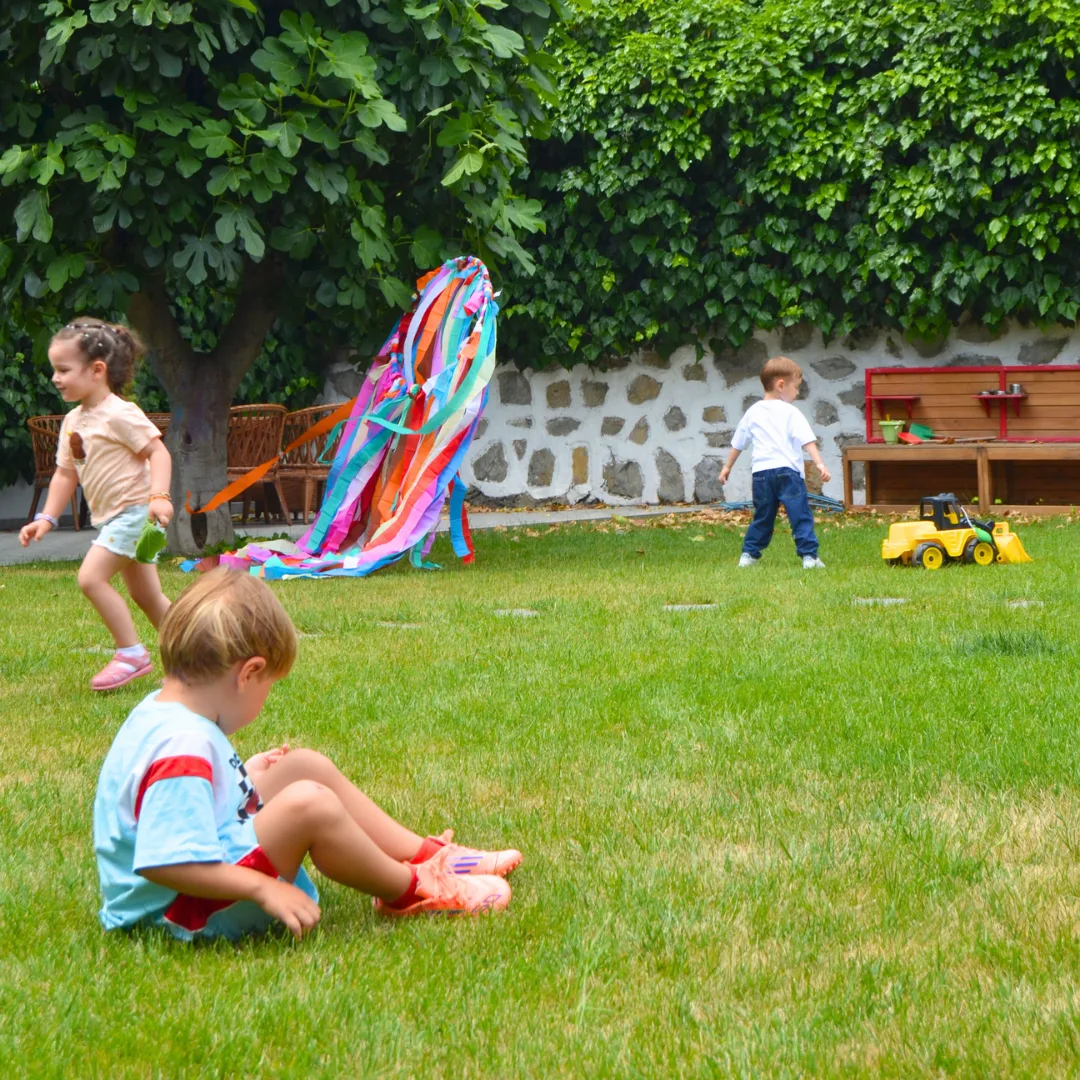
Inspired by Henrik Ibsen’s philosophy of “Friluftsliv”—or “life in the open air”—we have transformed our spacious garden into much more than just a playground for children—it is a world of learning where they connect with the earth, experience nature, and make discoveries. Here, children enjoy learning in harmony with nature’s peaceful rhythm.
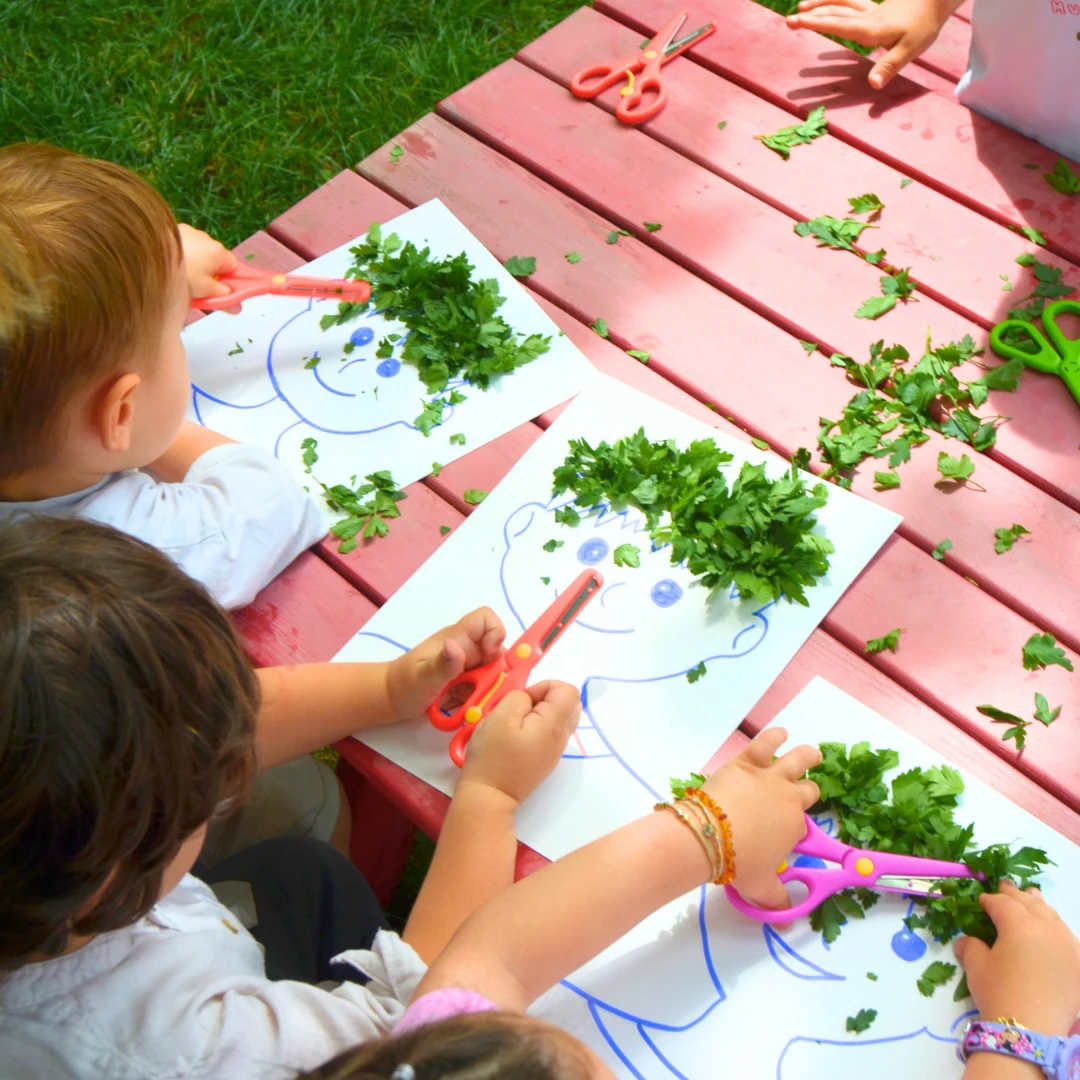
Motor Skills and Mathematical Competencies
At Pastel, we believe that the body and mind are one. Games that support fine and gross motor skills strengthen hand-eye coordination and balance, while mathematical thinking skills are developed in the context of daily life—concepts such as counting, measuring, and sorting are learned naturally.